
The Hidden Cost of Fitting In: Autistic Masking and Burnout
Autistic masking, or camouflaging neurodivergence, is a coping strategy many neurodivergent people use to navigate neurotypical spaces. While it can offer temporary safety, it often leads to profound autistic burnout. Here’s what you need to know about unmasking autism and finding recovery.
What is Autistic Masking?
If you are an autistic adult—particularly a late-diagnosed female or a highly sensitive individual—you have likely spent your entire life mastering the art of camouflaging. Autistic masking, simply put, is the process of suppressing your natural autistic traits and artificially adopting neurotypical behaviours to blend into society. It is the conscious or subconscious performance of "normality."
Masking is not just "being polite" or adapting to a social situation, which is something everyone does to some degree. For an autistic person, masking is a fundamental, exhausting, and often trauma-based survival response. It frequently begins in childhood as a reaction to bullying, rejection, or being told that your natural way of moving, speaking, or reacting is wrong or inconvenient.
You might learn to suppress your need to stim (such as hand-flapping or rocking) when you are anxious. You might force yourself to maintain eye contact even when it feels physically painful or incredibly distracting. You might meticulously script conversations in your head before a meeting, study the facial expressions of your neurotypical peers so you know when to laugh, or endure agonising sensory environments (like a loud, fluorescent-lit open-plan office) without complaint.
In short, autistic masking takes immense cognitive energy. You are manually operating the social software that neurotypical people run automatically in the background. While this strategy might allow a high-masking autistic diagnosis to go undetected for decades, avoiding social exclusion or succeeding professionally, it comes at an exorbitant psychological and physical cost.
The Inevitable Consequence: Autistic Burnout
You cannot sustain a performance forever. The chronic, unrelenting stress of camouflaging neurodivergence is the leading cause of autistic burnout. Burnout is a state of profound physical, mental, and emotional exhaustion. It is a complete loss of executive function and a dramatic reduction in tolerance to sensory input.
Autistic burnout is distinct from typical occupational burnout or depression, although they can co-occur. While occupational burnout might be resolved with a long holiday or a change of job, autistic burnout represents a fundamental depletion of your central nervous system's resources. Your battery is not just flat; it is damaged.
Recognizing the Signs of Autistic Burnout
The signs of autistic burnout vary from person to person, but core symptoms typically include:
- Loss of Executive Function: Tasks that were once manageable—like answering an email, cooking a meal, or taking a shower—become monumental, almost impossible hurdles. It’s as if the bridge between wanting to do something and actually doing it has collapsed.
- Loss of Skills: You may find that you can no longer mask. The "neurotypical persona" you built simply drops away because you lack the energy to sustain it. You might struggle to speak (going non-verbal or experiencing situational mutism) even if you are usually highly articulate.
- Heightened Sensory Sensitivities: The world becomes unbearably loud and abrasive. Sensory input that you could previously tolerate—like the hum of a refrigerator, the texture of a tag on your clothing, or bright supermarket lights—now triggers intense physical pain, meltdowns, or shutdowns.
- Chronic Fatigue: This is not a tiredness that is cured by a good night’s sleep. Autistic fatigue symptoms are deep-set, bone-wearying exhaustion. You may experience chronic headaches, muscle pain, and an overwhelming need to retreat and lie in a dark, quiet room for days or weeks.
- Increased Meltdowns or Shutdowns: As your threshold for stress plummets, minor inconveniences or routine changes can trigger intense emotional or physical reactions.
Many adults seek an autism assessment precisely because they hit the wall of autistic burnout. They find they can no longer "function" in the way society expects, leading to misdiagnoses of major depressive disorder, anxiety, or borderline personality disorder.
The Anatomy of a Meltdown and Shutdown
When the nervous system is completely overwhelmed during burnout, autistic people frequently experience meltdowns or shutdowns. These are not tantrums, but profound, involuntary physiological responses to cognitive or sensory overload.
A meltdown is an externalized explosion of stress. It can look like uncontrollable crying, shouting, or an intense display of frustration and distress.
A shutdown is the internalized equivalent. The brain simply pulls the plug. An individual in a shutdown might become unresponsive, unable to speak, and physically immobile. It is the nervous system’s ultimate defense mechanism to protect itself from further damage, retreating entirely inward.
Understanding these responses is critical for autistic burnout recovery. They are clear signals that your environment has exceeded your capacity to cope.
The Path to Recovery: Gentle Unmasking
Autistic burnout recovery is not a quick fix. It can take months or even years of careful, radical self-accommodation. The first, and often most terrifying step, is learning to unmask.
What Does Unmasking Autism Mean?
Unmasking autism does not mean you suddenly stop caring about other people. It means stopping the performative behaviours that are destroying your mental health. It is the slow, gentle process of discovering who you actually are beneath the layers of societal expectation.
Unmasking might look like giving yourself permission to stim openly when you feel overwhelmed or excited. It might look like letting your gaze drift instead of forcing painful eye contact. It might mean allowing your face to rest naturally rather than maintaining a performative half-smile.
Crucially, unmasking is a privilege. In a neurotypical world, it is often safer to mask in certain environments, such as a workplace or interactions with law enforcement. The goal is not to eradicate masking entirely, but to turn it into a conscious choice rather than an involuntary reflex. You need to build safe spaces—whether that’s your home, a supportive relationship, or a neurodiversity social group—where you can put the mask down and allow your nervous system to fully relax.
Strategies for Autistic Burnout Recovery
If you are currently experiencing burnout, your absolute priority must be aggressive rest.
- Identify and Remove Demands: Look at your life and brutally eliminate any non-essential demands. Cancel social events. Order takeout if you cannot cook. Lower your standards for tidiness. Say no, repeatedly and firmly.
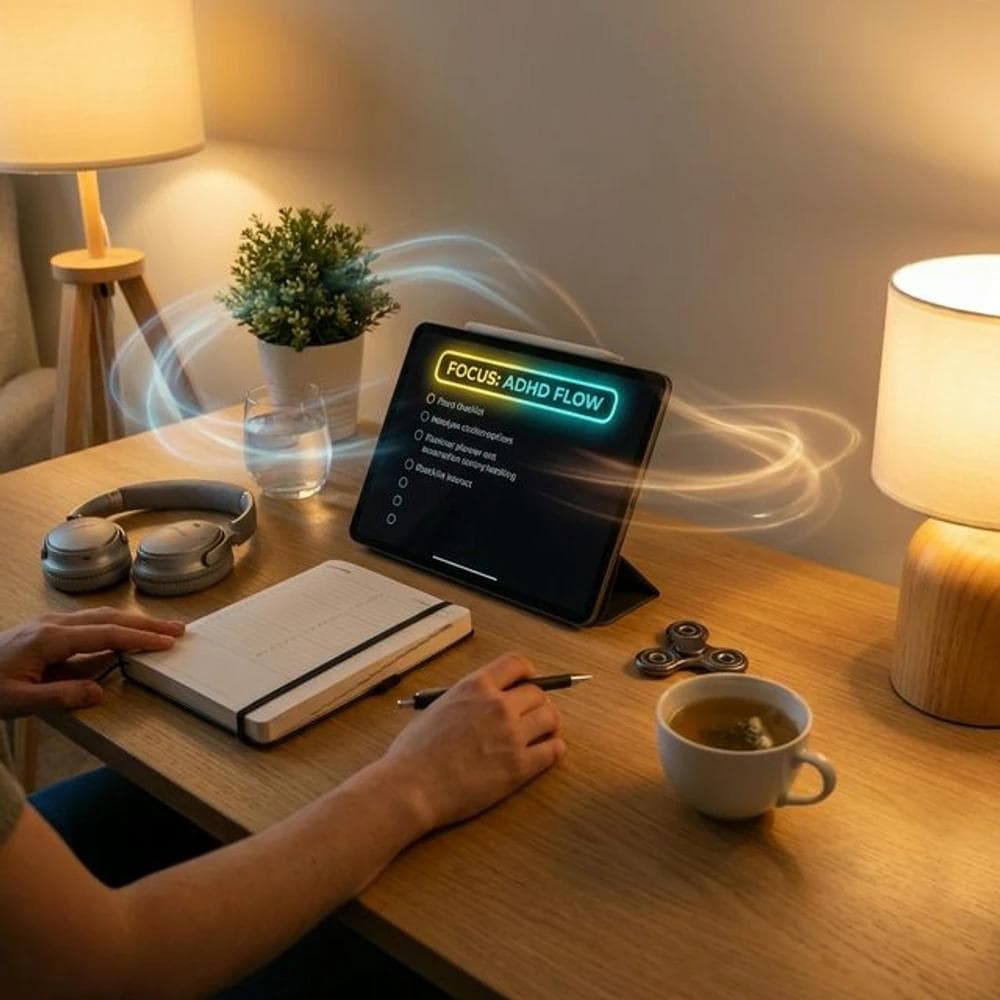
- Sensory Regulation: Make your environment as sensory-friendly as possible. Invest in high-quality noise-cancelling headphones, blackout curtains, and comfortable, tag-free clothing. If you need a weighted blanket for deep pressure therapy, use it. Your goal is to reduce the constant, low-level sensory assault on your nervous system.
- Embrace Your Special Interests: In many therapeutic models, fixating on a special interest might be viewed as a symptom to be managed. In a neurodiversity affirming framework, your special interest is a lifeline. Engaging deeply with an interest—whether that is categorising insects, playing a specific video game, or researching a historical period—provides intense joy and acts as a powerful nervous system regulator. It recharges your emotional battery.
- Communicate Your Needs: Unmasking often requires communicating your communication styles to others. Inform your friends, family, or employer that you might need written instructions instead of verbal ones, or that you might need a dark, quiet space to recover after a meeting.
Finding Neurodiversity Affirming Support
Navigating the complex terrain of autistic masking and burnout is incredibly difficult to do alone. If you are struggling, seeking professional neurodiversity support Australia is a vital step.
Crucially, you must seek support from clinicians who explicitly operate from a neurodiversity affirming perspective. Many traditional therapies, such as standard Cognitive Behavioural Therapy (CBT), rely on modifying behaviour to make an individual appear less autistic. For a person already exhausted by masking, this approach is deeply harmful and often accelerates burnout.
A neuroaffirming psychologist or counsellor will not try to "fix" your autism. Instead, they will validate your experience, help you identify your unique sensory profile, support you through the grief that often accompanies a high-masking autistic diagnosis, and provide tools for unmasking safely. They will help you advocate for necessary accommodations in your workplace or educational setting.
You also don't need to rely solely on professionals. Finding peer support—connecting with other autistic adults who understand exactly what you are experiencing—is profoundly healing. It provides the validation that you are not broken; you are simply an autistic person responding naturally to a neurotypical world.
If you recognise yourself in these descriptions of autistic masking, or if you are seeking support to recover from autistic fatigue symptoms, the team at Neurodiversity Ninjas is here to provide truly affirming care. We understand the incredible burnout that comes from a lifetime of camouflaging. Reach out to book a consultation and begin the gentle, validating journey toward unmasking and authentic recovery.